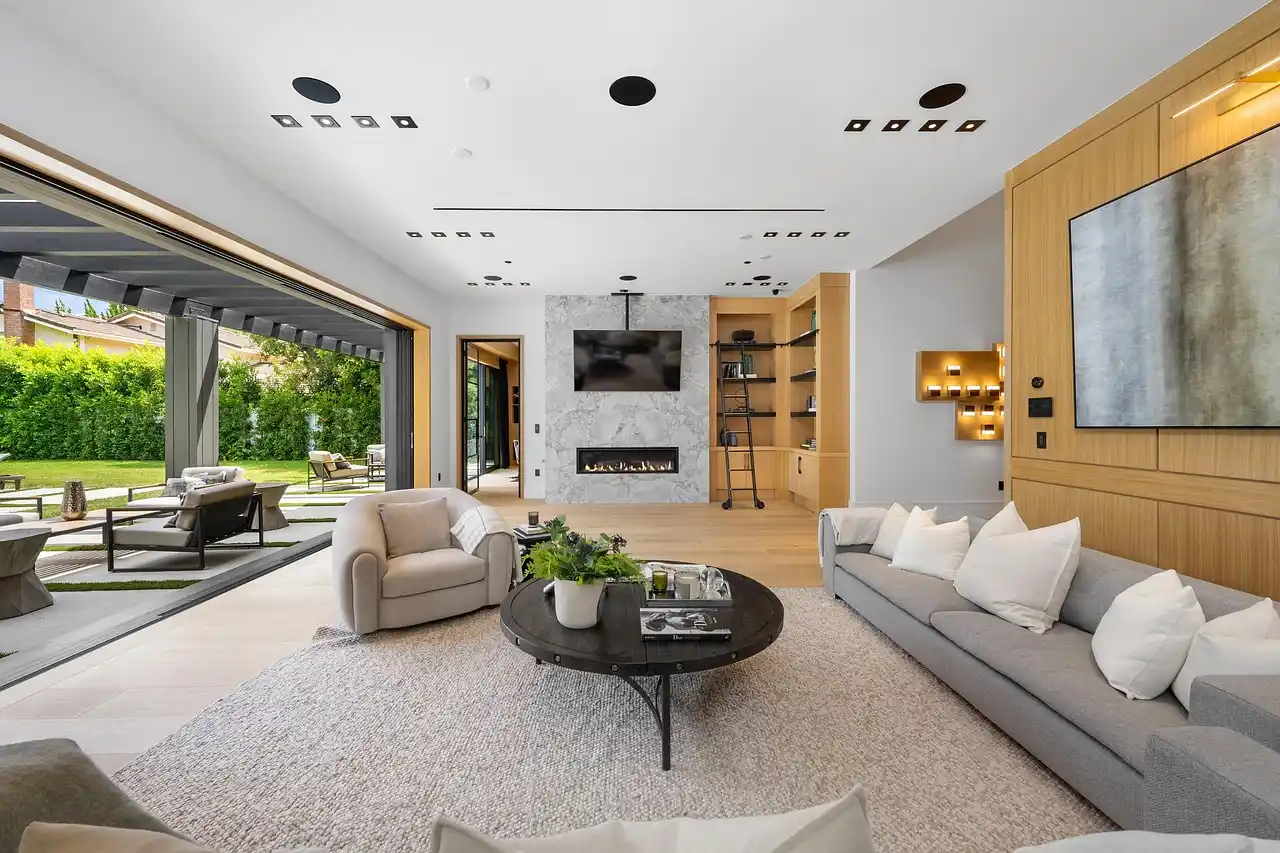
Home Window Tinting: Comfort, Privacy, Savings
Learn how home window tinting boosts comfort, privacy, and energy efficiency with expert guidance.
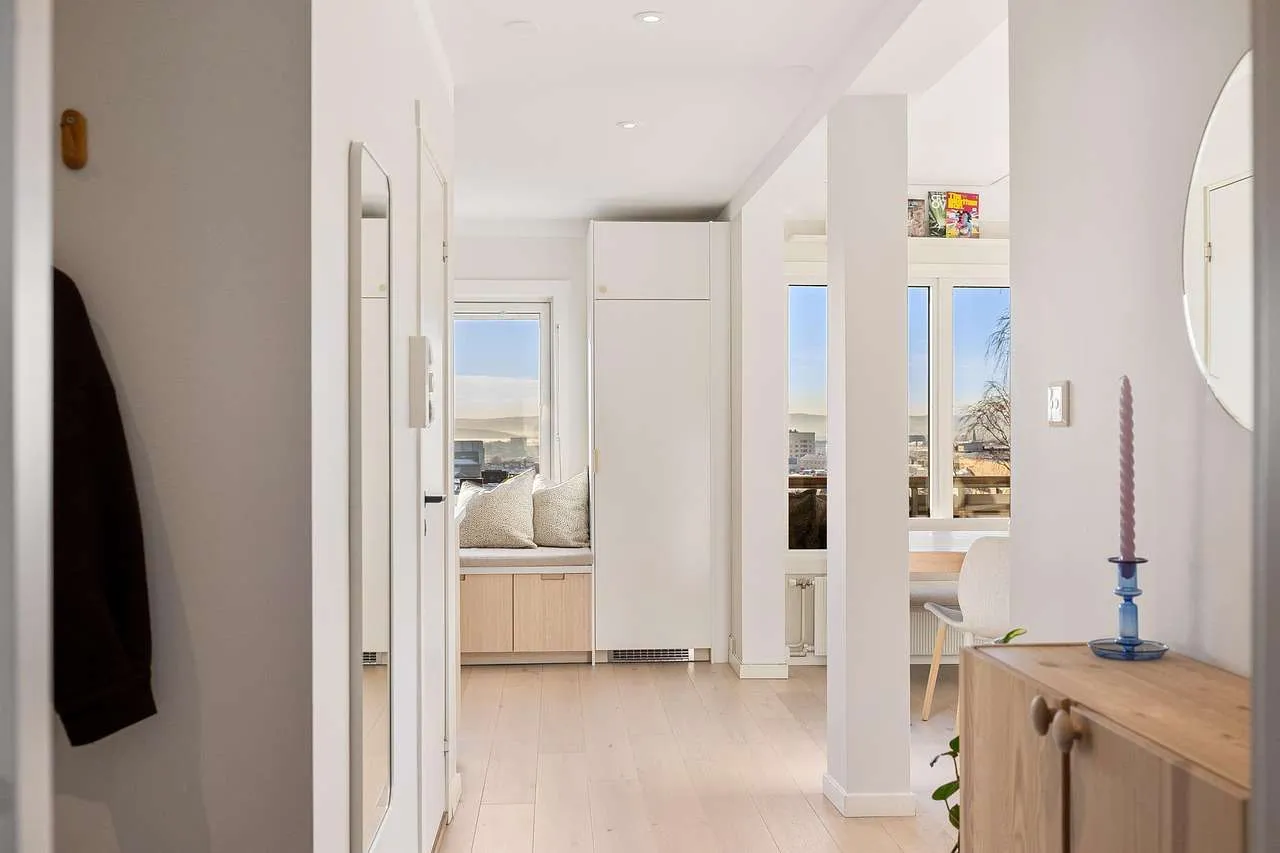
Home window tinting uses adhesive film applied to the interior surface of glass. It can reduce heat, glare, and UV exposure while increasing privacy.
How Window Film Works
Tint films filter sunlight, reflect infrared heat, absorb ultraviolet radiation, and limit glare. They become part of the glass assembly and operate passively year round.
Types of Window Film
Common film categories
Different films offer varying levels of heat control, light transmission, and visibility. Here is a quick guide:
| Type | UV Rejection | IR Rejection | VLT Range | Pros | Cons |
|---|---|---|---|---|---|
| Dyed | High | Low | 5-70% | Low cost, non-reflective | Prone to fading, shorter life |
| Metalized | Very High | Very High | 15-60% | Strong heat control, adds strength | Can interfere with electronics, reflective |
| Ceramic | Excellent | Excellent | 30-70% | Best performance, non-conductive | Higher cost |
| Carbon | Excellent | Good | 15-60% | Non-reflective, good heat control | Mid to high price |
| Hybrid | Good | Good | 35-70% | Balanced performance and cost | Varies with brand |
Energy Savings, Comfort, and Privacy
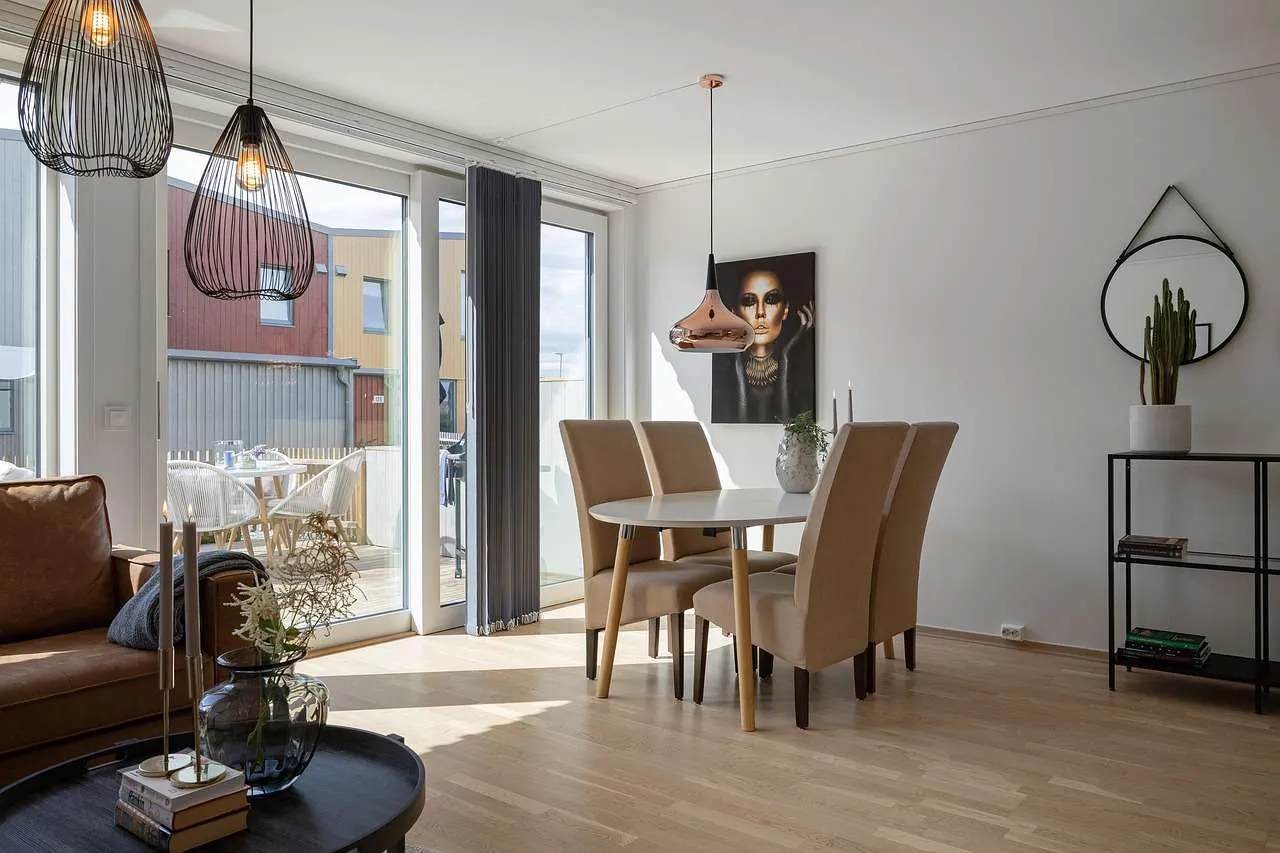
By blocking solar heat and reducing glare, home window tinting can lower cooling loads, keep interiors cooler in summer, and reduce HVAC use. UV rejection protects furnishings from fading, while tinted windows improve privacy during daytime from outside view while maintaining interior visibility from inside.
Safety, Legal, and Warranties
Many films add a layer of safety by helping hold shattered glass together. Check local laws, as some jurisdictions regulate the level of tint on certain windows. Reputable films come with manufacturer warranties and installation guarantees. A professional installer will document the film’s certification and post-install care guidelines.
DIY or Professional Installation
DIY tinting is possible for small panes, but professionals deliver consistent adhesion, edge sealing, and long-term performance. Improper installation can cause bubbling, edge peeling, or hazy reflections. For most homes, professional installation is the best path, especially for large or multi-pane windows.
Choosing the Right Installer
When selecting an installer, consider the following:
- Certification and experience with residential projects
- Available film brands, warranties, and service terms
- Clear written estimates, including prep, measurement, and aftercare
- On-site assessment and transparency about performance metrics (VLT, UV/IR rejection)
- References and before/after photos
Maintenance and Care
Clean with non-ammonia, non-abrasive cleaners and a soft cloth. Avoid scraping surfaces or using solvent-based products that could degrade the film. Regular inspections for edge lifting help preserve adhesion and warranty validity.
Conclusion
Conclusion, home window tinting offers enhanced comfort, privacy, UV protection, and energy savings when chosen and installed professionally. By understanding film types, performance metrics, and maintenance needs—and by selecting a qualified installer—you can achieve durable, aesthetically pleasing results that protect interiors and improve daily living.