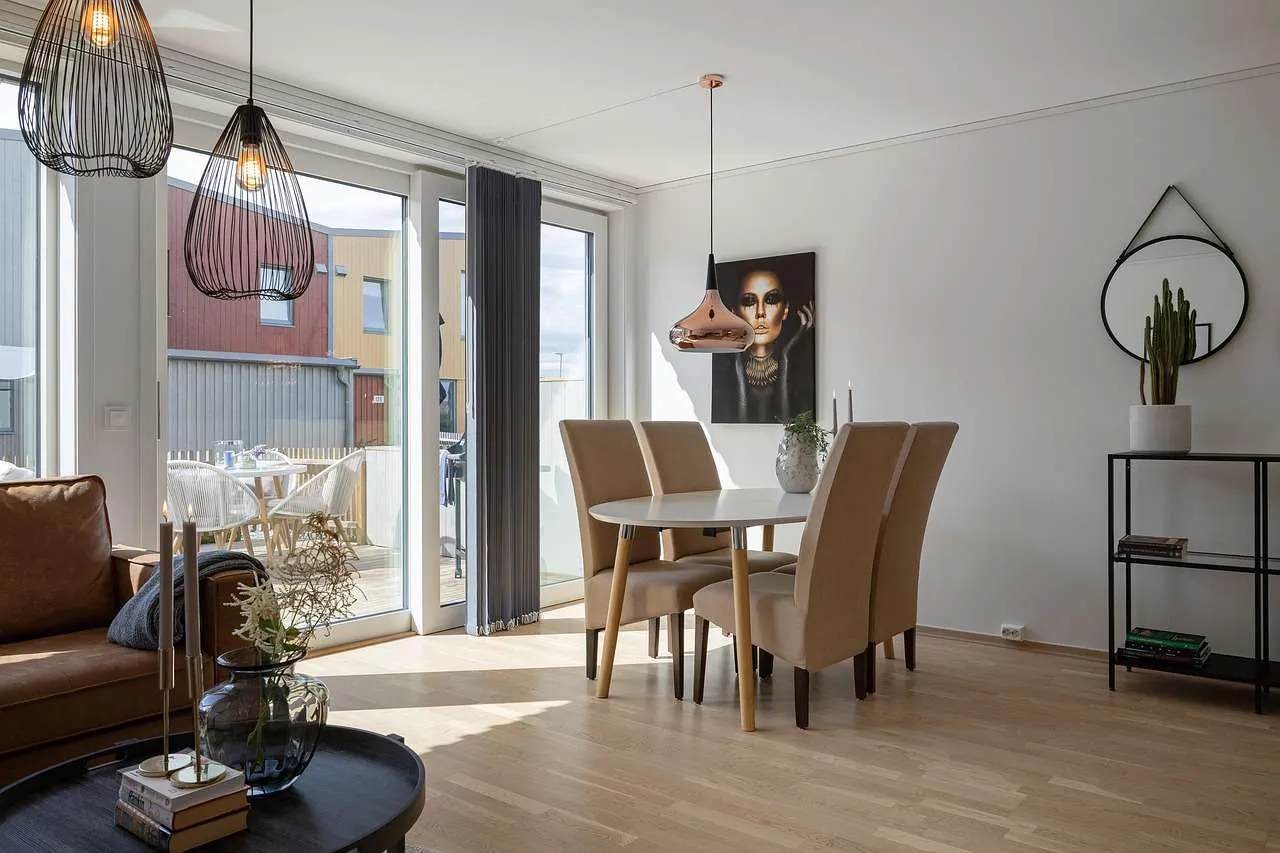
Home Window Tint: A Practical Guide
Explore home window tint options for privacy, energy savings, and UV protection.

Overview
Home window tint is a practical upgrade for residential spaces. It reduces heat gain, blocks UV rays, lowers glare, and adds privacy without sacrificing natural light when chosen correctly. This guide addresses common questions from homeowners and renters, explains film types, highlights benefits, lays out selection criteria, and offers installation tips to help you make an informed decision that lasts.
What is Home Window Tint?
Home window tint refers to thin films applied to interior or exterior glass designed to modify light transmission. Films vary by construction, including dyed, metalized, ceramic, carbon, and hybrid formulas. Each type uses different materials to reject heat, block UV, and reduce glare while maintaining clarity. For safety, most residential films are installed on the interior surface with a durable adhesive; nonpermanent options are available for renters. It is important to verify compliance with local laws and building codes before installation.
Key Benefits of Home Window Tint
Energy Savings
Heat reduction means less reliance on cooling in hot months and more stable indoor temperatures. By reflecting infrared energy and reducing heat transfer, tinted windows can lower air conditioning use in sunny rooms. This translates into lower energy bills over time and a smaller carbon footprint, especially when paired with other energy upgrades.
UV Protection
Quality films block a large portion of ultraviolet radiation, protecting furnishings from fading and reducing skin exposure to direct sunlight indoors. UV protection also helps preserve flooring, artwork, and electronics by limiting UV‑induced damage and maintaining color integrity over the years.
Privacy and Comfort
Tinted windows provide daytime privacy and reduce glare, making screens easier to view and spaces more comfortable for daily activities. The level of privacy depends on the film shade and reflectivity; non reflecting options offer a balanced look with clear outside visibility during daylight hours.
Choosing the Right Film
When selecting a home window tint, climate, window orientation, and interior goals should guide the decision. Important metrics include Visible Light Transmission (VLT) which governs how much light passes through, and Total Solar Energy Rejection (TSER) which measures heat rejection. Ceramic and carbon films typically offer higher TSER with clear optics, while dyed films are more affordable but may fade over time. Consider warranty terms, compatibility with tempered safety glass, and whether professional installation is required to ensure optimal adhesion and seamless edges. Also assess how the film will interact with your home electronics if you have smart sensors or devices near windows.
Installation and Maintenance
Professional installation ensures bubble-free adhesion, precise cutting around seals, and compliance with warranty requirements. For DIY projects, prepare a clean, dust-free surface, use proper squeegees, and follow the manufacturer’s application instructions. Regular cleaning with mild soap and water keeps the film looking clear; avoid ammonia-based cleaners which can degrade adhesives over time. If you need to remove a film later, a trained technician can minimize residue and protect the glass. Keep ventilation in mind during application and cure time in your area.
Cost and ROI
Prices vary by film type, brand, and window size but typical residential films cost between 2 and 12 dollars per square foot installed. Ceramic and carbon films are at the higher end, while dyed films are more affordable. The ROI comes from energy savings, reduced glare, and slower furniture fading. In sunny regions, the payback period can be a few years, especially when combined with energy efficiency programs or rebates. Always factor installation costs and warranty coverage into the total value proposition.
Film Type Comparison
| Film Type | UV Rejection | Heat Rejection | Glare Reduction | Privacy | Pros | Cons | Typical Cost per sq ft |
|---|---|---|---|---|---|---|---|
| Dyed | High | Moderate | Moderate | Low to Medium | Inexpensive, easy to install | Fades over time, color can shift | $2–$5 |
| Metalized | High | High | High | Medium | Strong heat rejection, durable | Can appear reflective, possible interference with sensors | $5–$8 |
| Ceramic | Very High | Very High | High | High | Best clarity, non-conductive, long-lasting | Higher upfront cost | $6–$12 |
| Carbon | High | High | High | High | Non-reflective, good aesthetics | Moderate to high cost | $5–$9 |
| Hybrid | High | High | High | Medium-High | Balanced performance and cost | Not the absolute top in any category | $3–$7 |
Conclusion, selecting the right home window tint involves balancing budget, performance, and aesthetics. For most households, a ceramic or carbon film provides superior heat rejection and long-term savings with clear visibility. Always prefer professional installation to maximize results, ensure compatibility with your glass type, and maintain the film with gentle cleaning. By choosing thoughtfully, you protect interiors, enhance comfort, and increase the value of your home.