Metal Roofing Panels: Expert Guide for Homeowners
Metal roofing panels: materials, profiles, costs, and installation tips for durable roofs.
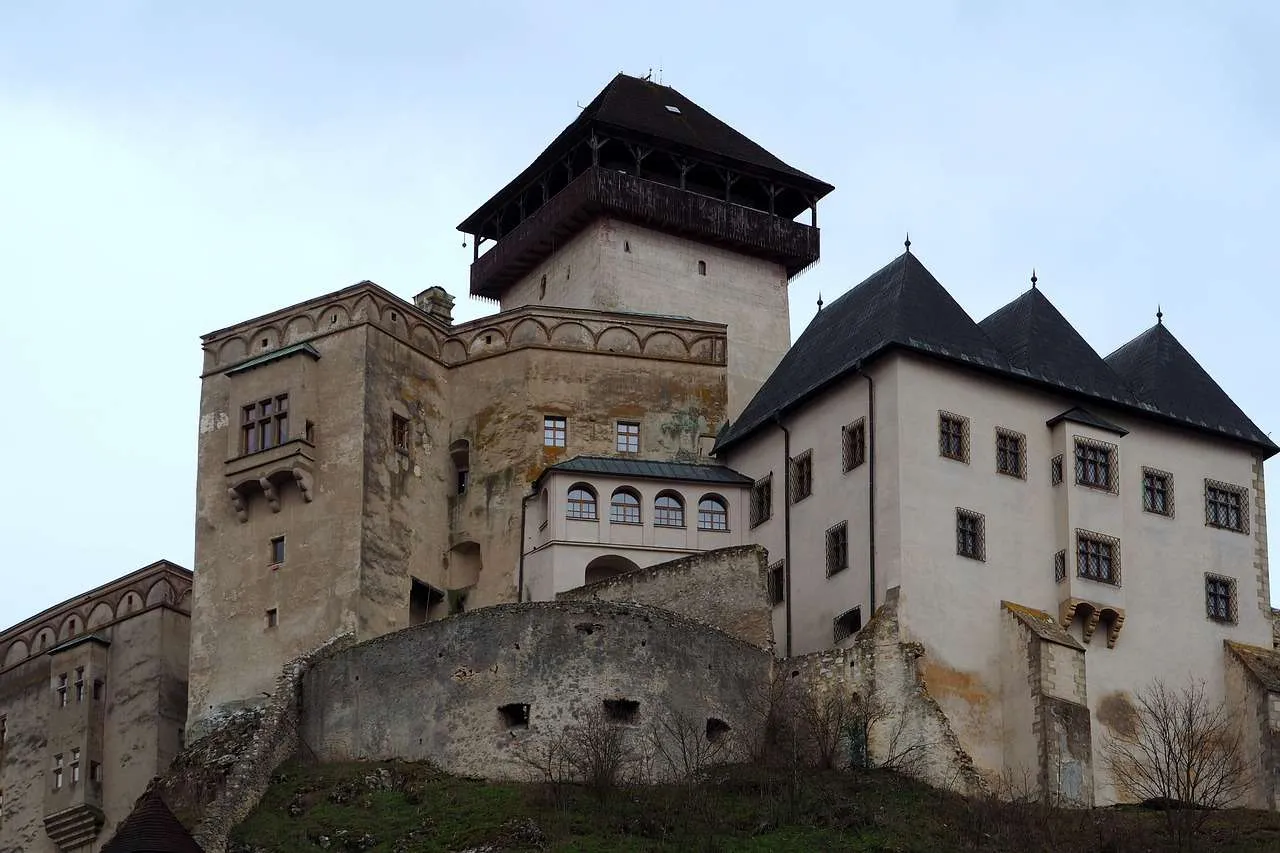
Metal roofing panels are a popular choice for durability, aesthetics, and long-term value. They come in various materials, profiles, and finishes to suit residential and commercial buildings.
What are metal roofing panels?
Metal roofing panels are factory formed sections that interlock or butt against one another to create a continuous roof surface. They can be installed over solid decks or battens, and many systems feature integrated fasteners or concealed clips for improved weather resistance.
Materials and finishes
Steel and aluminum
Steels offer strength and cost effectiveness. Galvanized steel and galvalume coated steel resist rust and provide long life, while aluminum offers exceptional resilience in coastal or corrosive environments and lighter weight. Copper and zinc are used in premium projects for patina effects and longevity, though their higher cost is a consideration.
Coatings and color options
Coatings such as PVDF based finishes bring color stability and UV protection. High quality PVDF or polymer coatings can resist chalking and fading for decades, while standard paints provide affordability with shorter lifespans. Color options range from neutral grays to bold accent tones, often with warranty backed fade resistance. Cool roof finishes with high solar reflectance help reduce cooling loads in hot climates.
Popular panel profiles
Standing seam
Standing seam panels use concealed fasteners and interlocking seams to create a sleek, watertight appearance. They excel in high wind areas and provide a clean roof line that works well with modern architecture.
R panels
R panels are robust exposed fastener panels commonly used on shops and homes. They are cost effective and easy to install, but require regular seal checks to maintain weather tightness and prevent leaks around fasteners.
U panels
U panels similarly use exposed fasteners and offer a traditional industrial look. They balance cost and performance for mid sized projects.
Corrugated
Corrugated metal panels feature wide ribs for added stiffness and are suitable for agricultural or industrial buildings as well as modern homes seeking a rustic aesthetic.
Comparison of common profiles
| Profile | Fastening | Weather | Typical Use | Cost |
|---|---|---|---|---|
| Standing seam | Hidden clips | Excellent | Residential and commercial | High |
| R panel | Exposed screws | Good | Shops and barns | Low–Medium |
| U panel | Exposed screws | Good | Commercial roofs | Medium |
| Corrugated | Exposed screws | Moderate | Agricultural and rustic designs | Low |
Costs, installation, and warranties
Installing metal roofing panels involves material costs, labor, and fasteners. Materials vary by metal type and coating; typical residential installations range per square foot above traditional asphalt shingles but provide longer life and lower maintenance. Reputable installers offer warranties that cover material defects, coating performance, and weather tightness for decades. Ask about roof condition, underlayment, ventilation, and drainage to ensure a long lasting system.
Maintenance and lifecycle
Maintenance is generally minimal for metal roofing panels. Regular inspections, clearing debris, and resealing exposed fasteners when needed help prevent leaks. Expect a long service life often exceeding 40 years with proper care, and many panels are recyclable at end of life, reducing environmental impact.
Environmental impact and sustainability
Metal roofs are lightweight and highly recyclable. Recycled content is common in steel and aluminum panels, and coated finishes reduce heat gain, contributing to energy savings in many climates. Local code compliance, proper installation, and reflective coatings enhance sustainability and performance.
Conclusion, Metal roofing panels deliver durability, energy efficiency, and value through material choice, profile, and proper installation. By selecting the right panel type, coating, and warranty, homeowners achieve long term performance with minimal maintenance.