TPO Roofing: Benefits, Costs, and Tips
Comprehensive guide to tpo roofing, its benefits, costs, installation tips, and maintenance.
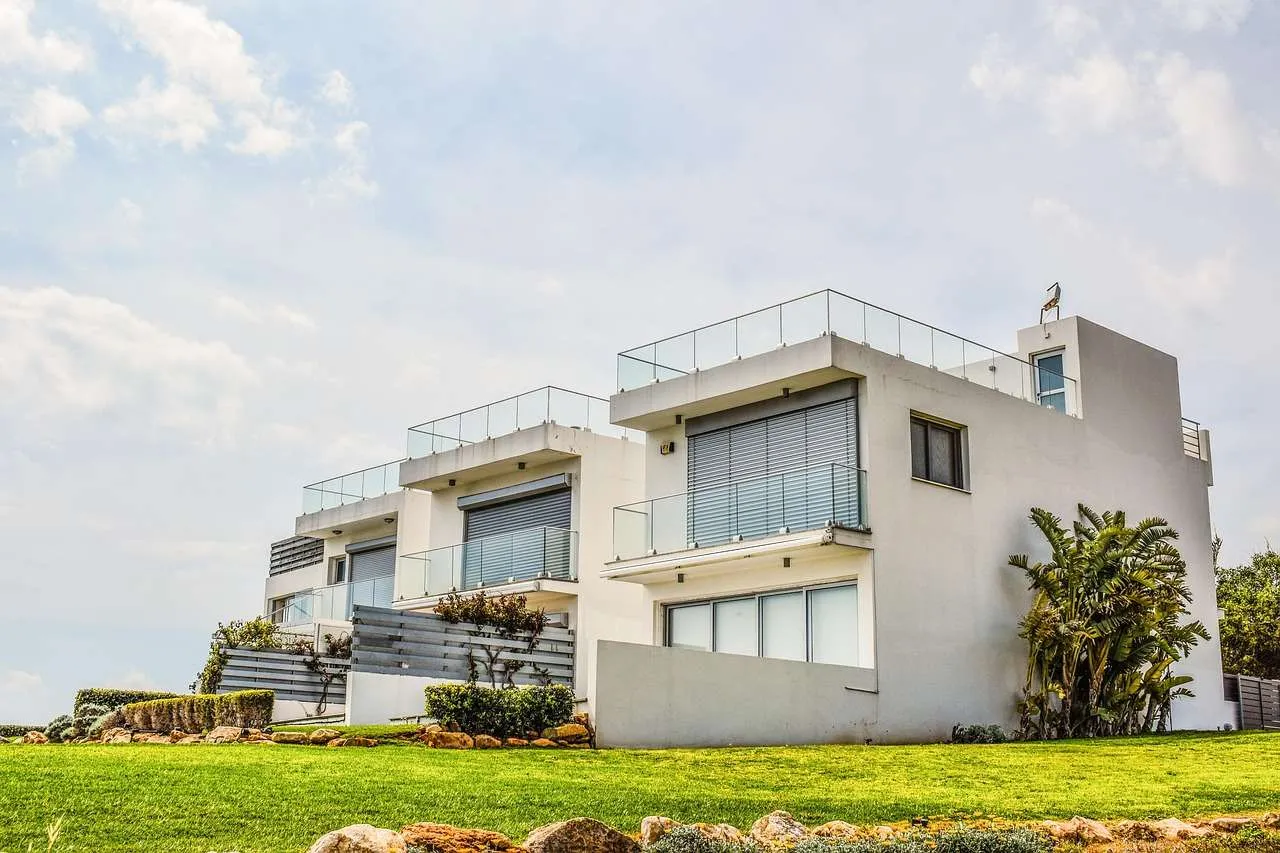
TPO roofing stands for thermoplastic polyolefin, a popular single-ply membrane used on commercial and residential flat or low-slope roofs. It offers durability, reflectivity, and energy efficiency, often at a lower installed cost than some alternatives. This guide is written by a seasoned roofing professional with more than ten years of experience installing and evaluating TPO systems across various climates, ensuring practical, field-tested advice.
What is TPO Roofing?
TPO is a flexible, heat welded membrane typically made from ethylene propylene polymer. It is commonly used for flat roofs and low-slope designs because it can be installed in large sheets with welded seams for water-tight performance. Common colors are white and light gray, chosen for solar reflectivity in warmer climates. Professionally installed TPO systems require specialized equipment and trained installers to ensure consistent seam strength and long-term reliability.
Benefits of TPO Roofing
- Energy efficiency: highly reflective surfaces reduce cooling loads and can lower energy bills in hot climates.
- Durability and seam strength: heat welded seams create continuous, resilient roofs with good puncture resistance.
- Lightweight and flexible: easier to handle than some other membrane types and adaptable to a variety of substrates.
- Cost-effectiveness: often less expensive than PVC and sometimes cheaper to install than metal options, depending on region.
- Low maintenance: simple inspection routine and repair options help maintain performance over time.
Energy Efficiency and Environmental Impact
Because TPO membranes are typically white or light colored, they reflect a large portion of solar radiation. This reflective property contributes to lower rooftop temperatures and can improve building energy codes and LEED credits for cooling efficiency. When selecting a system, look for membranes with high solar reflectance and weather resistance certified by industry standards.
Durability and Seams
Properly installed TPO uses heat welded seams that fuse together, creating a seamless barrier. The membrane itself is resistant to UV exposure, ozone, and many chemicals. Still, ground-level foot traffic, hail history, and substrate condition influence longevity. A reputable contractor will perform surface prep, flashings, and edge detailing to minimize deterioration at penetrations.
Factors Affecting TPO Roofing Cost
Costs vary with roof size, thickness (35-60 mil is common), location, and labor. Typical installed costs range from a few dollars per square foot up to higher amounts for premium membranes and complex details. Additional factors include roof accessibility, existing insulation, moisture in the deck, and whether a warranty is included. Always compare estimates from licensed contractors and verify that the installation fulfills manufacturer warranty requirements.
Installation Considerations
Choose a contractor with TPO experience, proper licensing, and current certifications. There are three primary installation methods: mechanically attached, fully adhered, and ballasted systems. Each method has pros and cons related to wind resistance, insulation compatibility, and roof movement. The installer should inspect the roof deck, ensure proper drainage, install compatible flashings, and perform a quality seam weld test after installation. A warranty covering materials and workmanship provides added assurance.
Maintenance and Longevity
To maximize life, conduct periodic inspections, especially after severe weather. Look for seam separations, punctures, or flashing damage and arrange timely repairs. Keep the roof surface clean and free of debris that could clog drainage. Proper ventilation and adequate insulation help maintain roof performance and comfort inside the building. Typical lifespans range from 15 to 30 years depending on climate, installation quality, and maintenance.
TPO Roofing vs Alternatives
Here's a quick comparison with common flat-roof options:
| Option | Pros | Cons |
|---|---|---|
| TPO | Energy efficient, cost competitive, easy to repair | Requires skilled installers; seam integrity critical |
| EPDM | Excellent durability, cost-effective | Less reflective; fewer welded seams options |
| PVC | Very durable, highly reflective, chemical resistance | Usually more expensive; complex installation |
When evaluating options, consider your climate, building use, and long-term maintenance. A properly chosen TPO system installed by certified professionals can deliver reliable performance with energy savings and a reasonable total cost of ownership. Always verify membrane thickness, warranty terms, and the contractor's track record with references and project photos.
Summary TPO roofing provides a cost effective, durable, energy efficient option for flat and low slope roofs. Key factors include membrane thickness, seam welding quality, installation method, and a strong warranty. By working with a qualified contractor and comparing options, property owners can achieve a reliable roof that protects the structure and saves energy over time.