Small Bathroom Ideas: Clever Upgrades
Inspiring small bathroom ideas with space-saving design tips, storage, and affordable upgrades.
Small Bathroom Ideas that Make a Big Difference
As a seasoned design consultant with more than a decade of experience helping homeowners maximize tiny spaces, I’ve learned that small bathroom ideas revolve around psychological light, clever storage, and durable finishes. The goal is to create a room that feels larger while staying thoroughly functional and easy to maintain.
Smart layout foundations for small bathrooms
Start with a floor plan that preserves traffic flow and keeps wet areas contained. In most cases, a rectangular layout works best. Consider moving the toilet to a shorter wall to free up counter space. If a door swings into the room, explore a pocket door or a barn-style sliding door to reclaim inches that add up fast.
Key layout tips
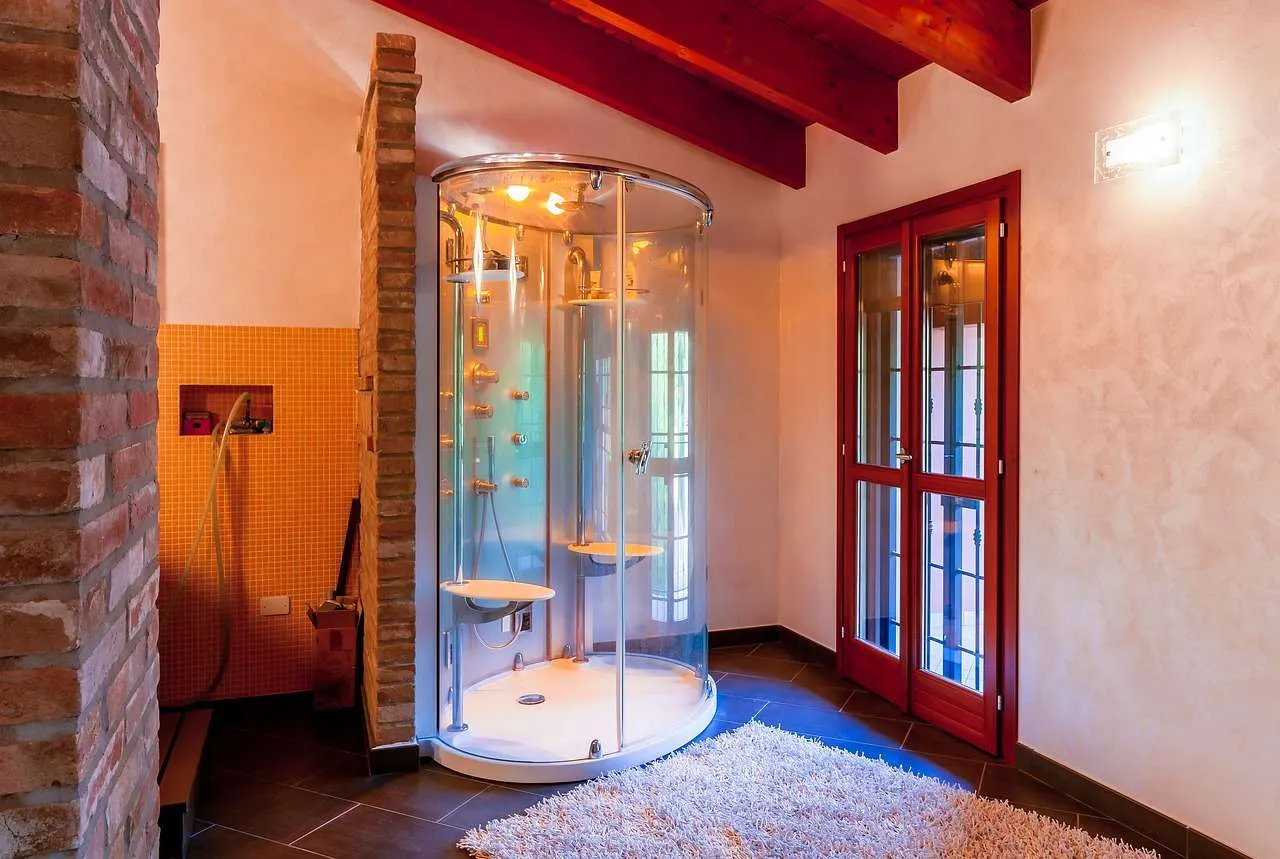
- Use a single doorless walk-in shower with clear glass to visually expand the space.
- Place the vanity along the longest wall and keep it shallow.
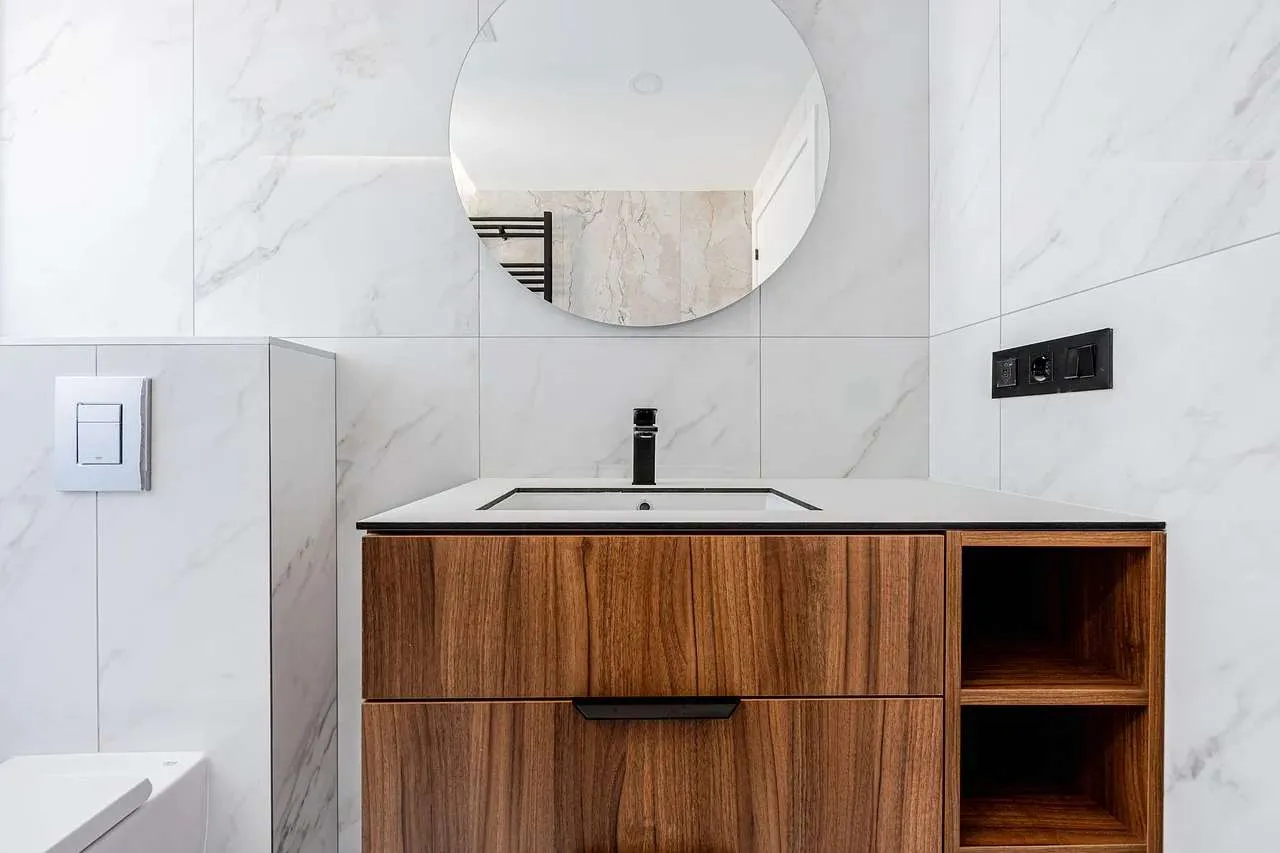
- Use mirrors to bounce light and create depth across the room.
Storage solutions that actually work
Storage is the heartbeat of any small bathroom. Choose recessed shelves above the shower, a vanity with interior drawers, and wall-mounted cabinets that don’t protrude. A tall, slim linen closet or corner cabinet can dramatically reduce clutter. For renters or builders, consider over-toilet shelving and a medicine cabinet with a mirrored front; both are space-efficient and visually lightweight.
Smart storage ideas
- Inside cabinet organizers and pull-out baskets keep small items accessible yet tucked away.
- Glass organizers on the vanity reduce visual bulk and simplify cleaning.
- Over-door hooks and magnetic strips multiply hanging space without consuming floor area.
Color, materials, and lighting for a bigger feel
Light colors with high reflectivity instantly brighten a compact bath. Matte or glossy white, pale grays, and soft neutrals work well with warm wood tones or cool blues. Use large, uninterrupted surfaces rather than many tiny patterns. Invest in lighting layers: ceiling fixtures for general light, vanity lighting for tasks, and soft backlighting behind the mirror for depth.
Materials to consider
- A large-format porcelain or ceramic tile minimizes grout lines and creates a seamless look.
- Glass shower enclosures and well-lit mirrors amplify brightness.
- Water-resistant vinyl planks or large porcelain slabs that mimic stone are durable and easy to clean.
Fixtures and fittings that shrink the footprint
Compact fixtures save inches without sacrificing comfort. A slim-profile toilet, a corner sink, or a recessed sink cabinet can reclaim floor space. Consider a pocket door instead of a swinging door, and a corner or wall-mounted faucet to keep counters uncluttered.
Practical fixture ideas
- Choose a short vanity and a shallow sink to maximize counter space.
- Opt for a frameless shower door to reduce visual obstruction.
- Use towel bars instead of bulky racks to streamline walls.
Budget and durability: long-term value
Small bathroom ideas that last are often born from durability and smart budgeting. Prioritize moisture-resistant materials, easy-to-clean surfaces, and reliable fixtures. If you’re renovating, plan for a mix of no- to low-maintenance finishes and a simple color palette to keep costs predictable. A well-chosen vanity, a solid countertop, and a durable tile choice can reduce future maintenance expenses while improving resale value.
Comparison: ideas at a glance
| Idea | Pros | Cons | Best For |
|---|---|---|---|
| Floating vanity | Creates openness; easier floor cleaning | Storage is limited | Small corners and tight layouts |
| Walk-in glass shower | Feels larger; reduces enclosure walls | Requires waterproofing precision | Low-profile bathrooms |
| Pocket door | Saves floor space | More complex framing | Tight entryways |
| Mirror wall or large mirror | Maximizes light; visually expands | Shows smudges quickly | Any light room |
In practice, combine two or three ideas to create a cohesive, functional bathroom. For example, a compact floating vanity paired with a pocket door and a glass shower can dramatically increase perceived space while keeping contrast and texture within a controlled palette.
If you’re preparing to remodel, start with a quick room audit: measure every wall, window, and door, note moisture sources, and list essential devices (toilet, sink, shower). Then map a preferred layout and test several color schemes with samples. A small investment in good lighting and moisture barriers pays dividends in comfort and longevity. A professional designer can help with code compliance, ventilation needs, and material compatibility to guarantee a durable finish.
Conclusion, small bathroom ideas center on maximizing space with thoughtful layouts, hidden or recessed storage, reflective surfaces, and durable materials. By prioritizing light, scale, and accessible storage, you’ll create a space that feels larger, works harder, and remains easy to maintain over time.